The real estate landscape is changing rapidly. Today’s homebuyers are no longer evaluating properties only on location and layout, they are looking for intelligent living experiences. As expectations evolve, forward-thinking developers are beginning to integrate home automation at the design stage itself, rather than treating it as an add-on later.
This shift is not driven by trends alone. It’s driven by practicality, efficiency, and long-term value.
The Changing Expectations of Modern Homebuyers
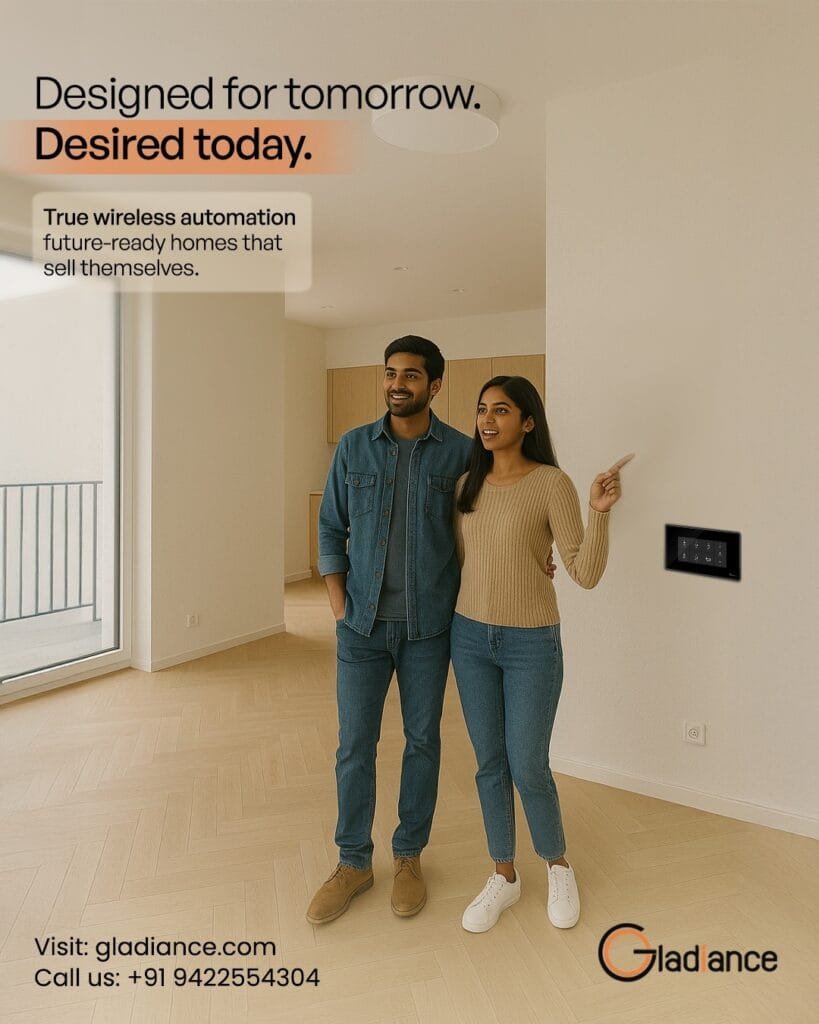
Homebuyers today are more informed, tech-aware, and experience-driven. They expect homes to be:
- Convenient and intuitive
- Energy-efficient
- Future-ready
- Designed around modern lifestyles
Features that once felt premium, like smart lighting, automated climate control, and scheduled appliances, are increasingly seen as essential.
For developers, this means one thing: intelligent infrastructure needs to be planned early.
Why the Design Stage Matters
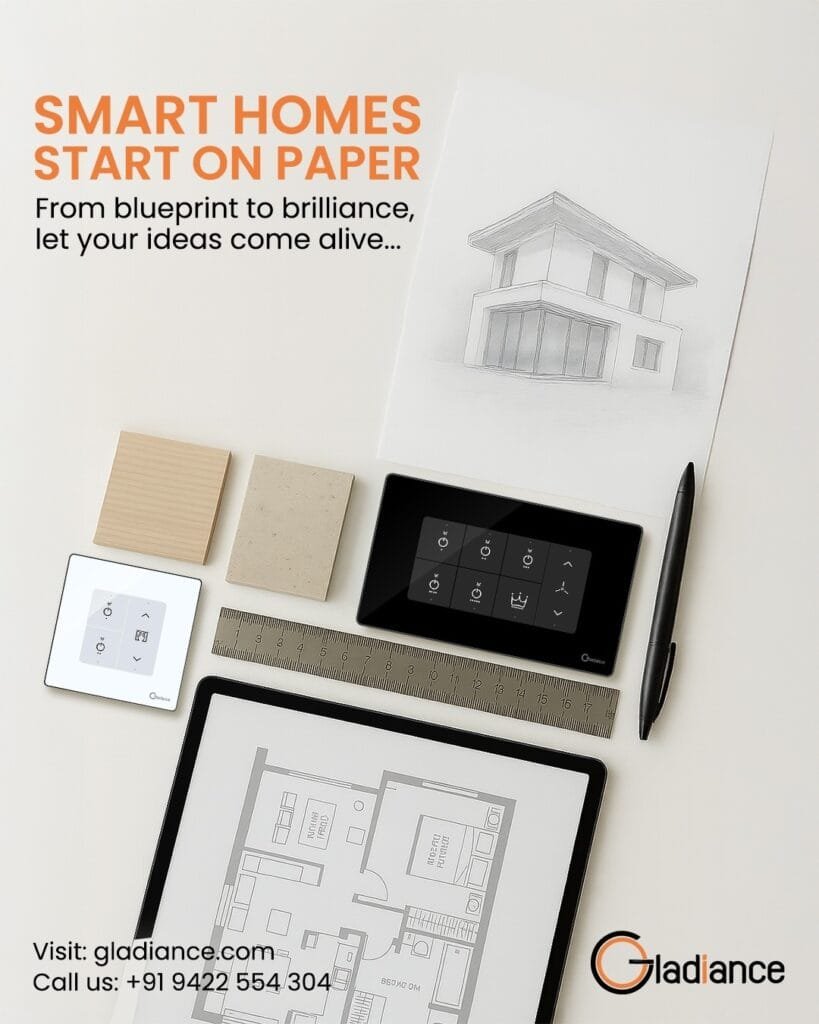
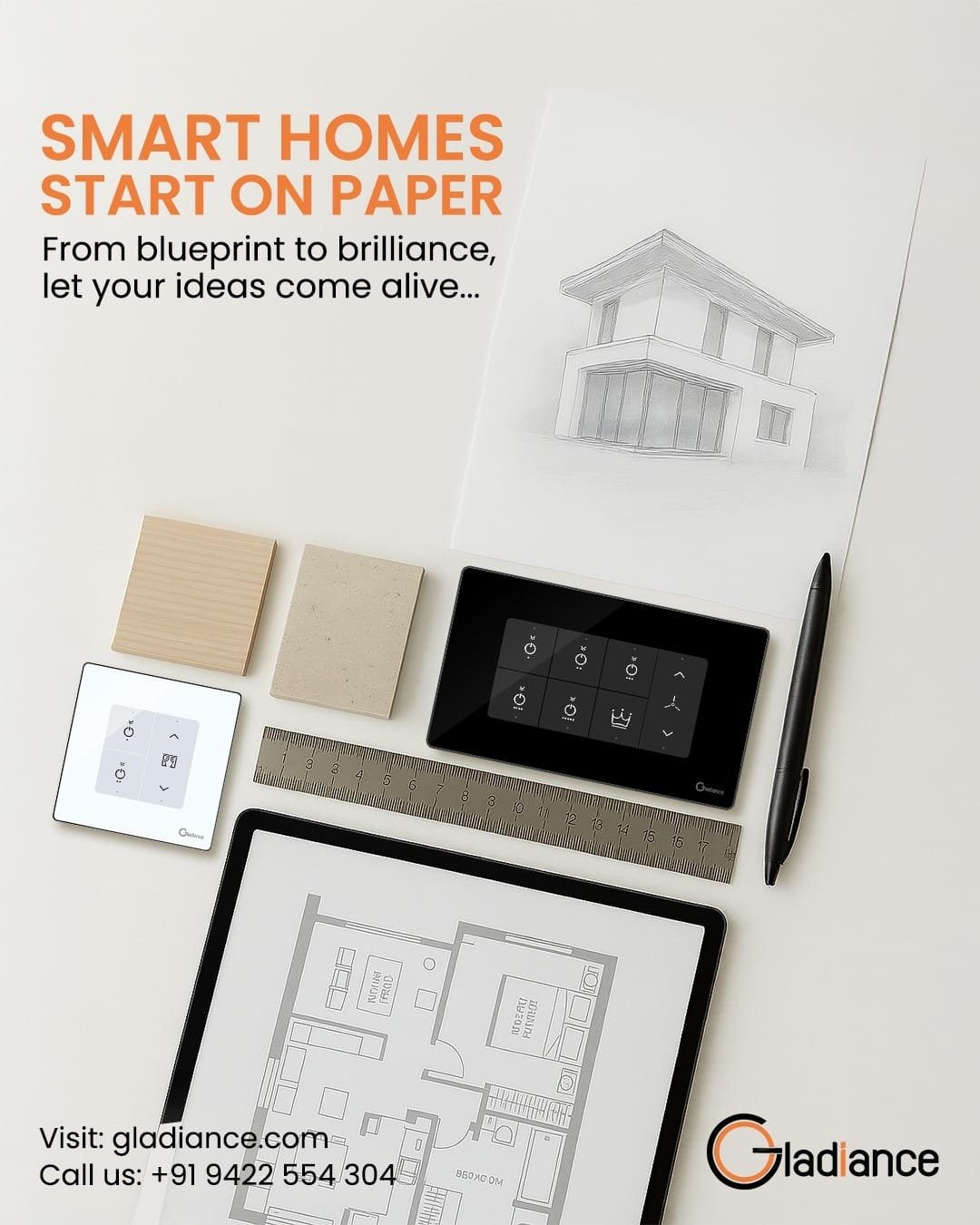
Integrating home automation during the design stage allows developers to:
- Optimise wiring layouts
- Ensure seamless switchboard planning
- Maintain clean aesthetics without visible modifications
- Avoid future structural changes
When automation is planned from the start, it becomes part of the home’s DNA rather than an external layer added later.
Better Design, Better Experience
Automation at the design stage enables:
- Thoughtfully placed control points
- Intuitive room-level automation
- Seamless integration with lighting, curtains, and appliances
- Consistent user experience across the home
This leads to homes that feel well-designed, cohesive, and future-ready, qualities modern buyers actively seek.
Cost Efficiency for Developers and Homeowners
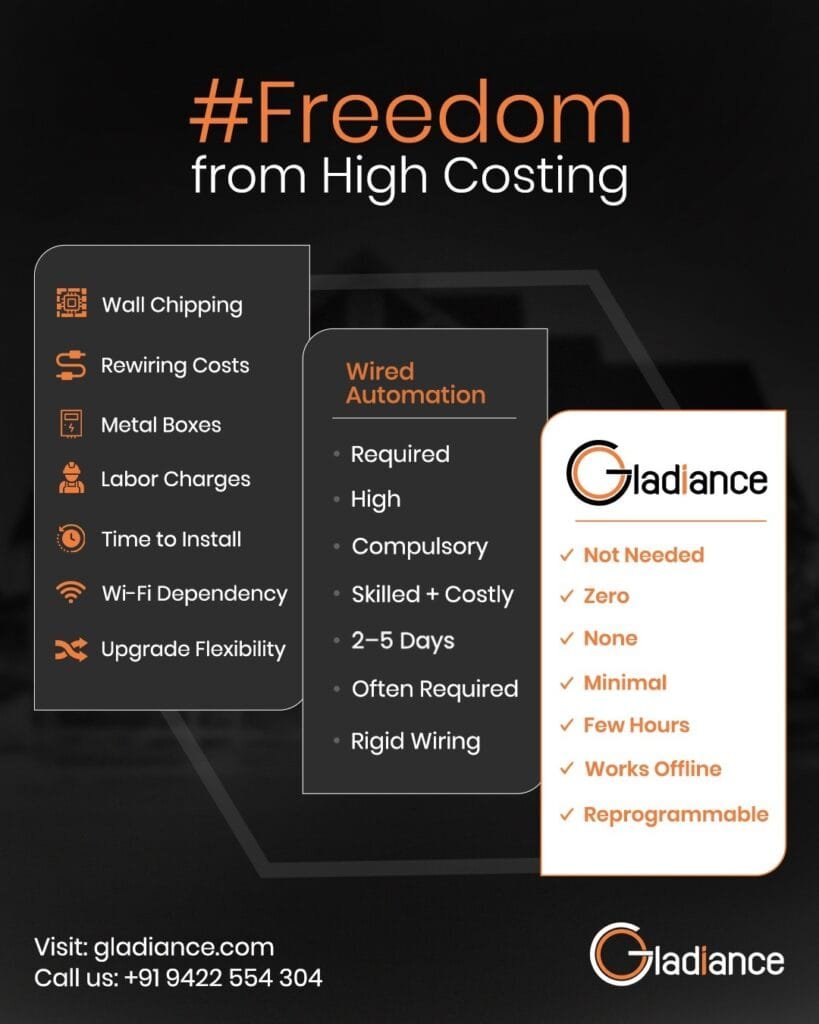
Contrary to common belief, early integration often reduces overall costs.
When automation is included during planning:
- Installation becomes faster and more efficient
- Retrofitting costs are avoided
- Material and labour usage is optimised
- Post-handover modifications are minimised
For developers, this means fewer complications and better project control.
For buyers, it means smarter homes without added disruption.
Faster Adoption and Higher Perceived Value
Homes that come automation-ready are easier to position and market. Buyers immediately understand the value of:
- Pre-installed smart infrastructure
- Ready-to-use automation features
- Minimal setup effort post-possession
This not only improves buyer confidence but also enhances the overall perceived value of the property.
Supporting Long-Term Flexibility
Design-stage automation allows homes to evolve. Buyers can start with basic automation and scale over time without altering the structure. This flexibility aligns perfectly with changing lifestyles and future technology upgrades.
For developers, this future-proofing strengthens the project’s relevance for years to come.
A Strategic Advantage in Competitive Markets
In competitive real estate markets, differentiation matters.
Projects that integrate home automation from the outset stand out as:
- Thoughtfully planned
- Lifestyle-oriented
- Aligned with modern living standards
This strategic decision positions developers as forward-thinking and customer-centric.
Designing Homes for the Way People Live Today
Ultimately, integrating home automation at the design stage is about understanding how people live today, and how they expect their homes to support them. It’s not about adding technology for the sake of it, but about creating environments that simplify life and enhance everyday comfort.
As buyer expectations continue to rise, intelligent design will no longer be optional.
It will be the standard.