For decades, homes worked the same way, switches on the wall, remotes on the table, and routines managed manually. Lights had to be turned off, appliances remembered, and comfort adjusted again and again, every single day.
But quietly and steadily, that has begun to change.
We are witnessing a shift from manual homes to intelligent living, where technology doesn’t demand attention, it supports life in the background. And this shift isn’t futuristic anymore. It’s already happening around us.
What Is Intelligent Living?
Intelligent living goes beyond owning smart devices.
It’s about creating a home that understands routines, preferences, and patterns, and responds automatically.
Instead of controlling everything manually, the home begins to:
- Adjust lighting based on time of day
- Schedule appliances around daily routines
- Optimise comfort without repeated input
- Reduce unnecessary energy usage
- Simplify everyday tasks through automation
In short, the home starts working for you, not the other way around.
Why Manual Living Is Slowly Fading
Manual homes rely heavily on constant human effort.
Turning things on, turning them off, remembering schedules, adjusting settings, these small actions may seem insignificant, but over time, they add up to mental load and daily friction.
Modern lifestyles are busier than ever. Between work, family, and personal time, people are seeking homes that reduce effort instead of adding to it.
This is where intelligent living naturally steps in.
The Role of Home Automation in Intelligent Living
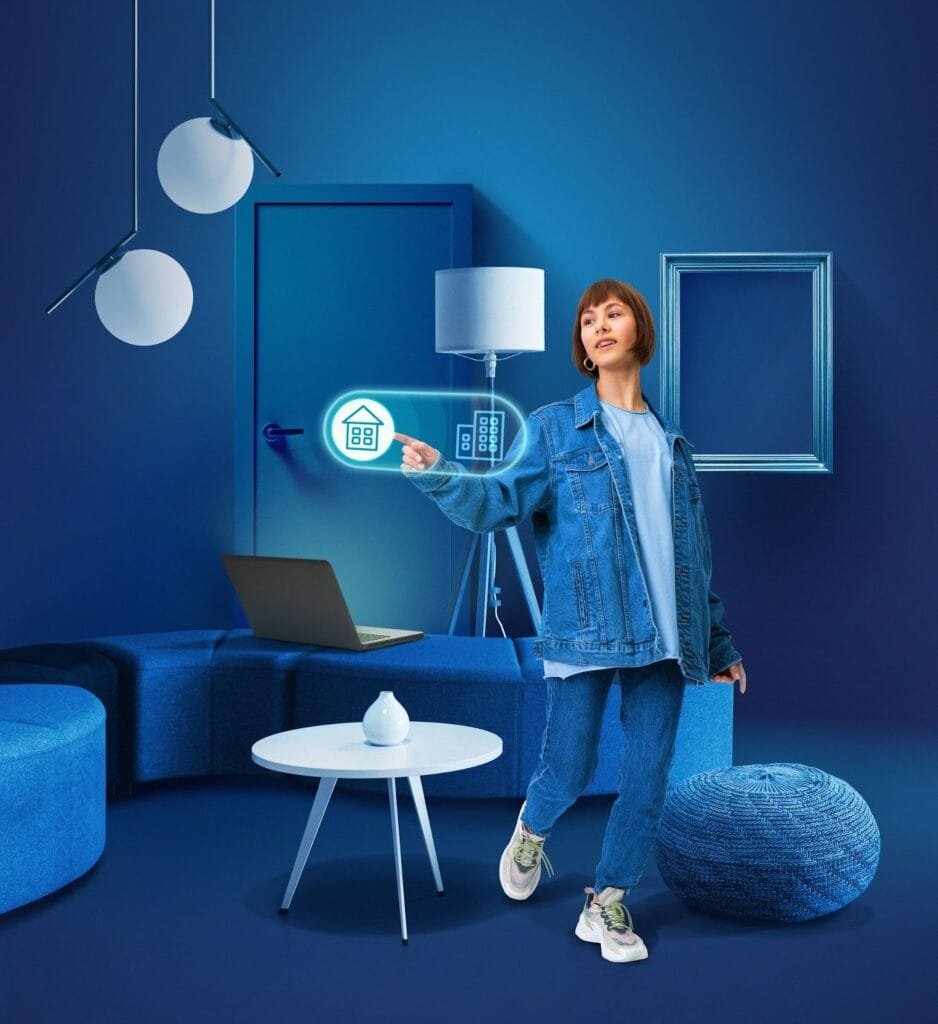
Home automation is the foundation of intelligent living.
It connects appliances, lighting, climate, and other systems into one cohesive ecosystem that can be programmed and personalised.
With automation:
- Appliances operate according to your routine
- Scenes can be created for morning, evening, or specific moods
- Schedules ensure tasks happen even when you’re not thinking about them
- Everything functions seamlessly in the background
The goal isn’t control, it’s effortless continuity.
Intelligent Homes Are Designed Around People

One of the biggest misconceptions about smart homes is that they are technology-first. In reality, intelligent living is human-first.
The best automated homes are designed to:
- Reduce decision fatigue
- Eliminate repetitive tasks
- Increase comfort without complexity
- Allow residents to focus on meaningful moments
When technology becomes invisible, living becomes smoother.
Intelligent Living Is No Longer a Luxury
Earlier, home automation was seen as a premium add-on. Today, it’s becoming a lifestyle choice driven by practicality.
Homeowners now value:
- Time saved on routine tasks
- Better energy management
- Enhanced comfort and convenience
- Homes that adapt as life changes
As expectations evolve, intelligent living is quickly becoming the new standard.
The Emotional Shift: From Managing Homes to Living in Them
Perhaps the most important change isn’t technological, it’s emotional.
Intelligent living gives people:
- More time for family
- More mental clarity
- Fewer interruptions in daily life
- A sense of calm and control
When homes handle the routine, people are free to enjoy moments that truly matter.
The Future of Homes Is Already Here
The shift from manual homes to intelligent living isn’t about chasing trends. It’s about aligning homes with how people actually live today.
As automation becomes more intuitive and integrated, homes will continue to evolve from static spaces into responsive environments, spaces that support better living without asking for constant attention.
Intelligent living isn’t the future.
It’s the present we’re all gradually stepping into.