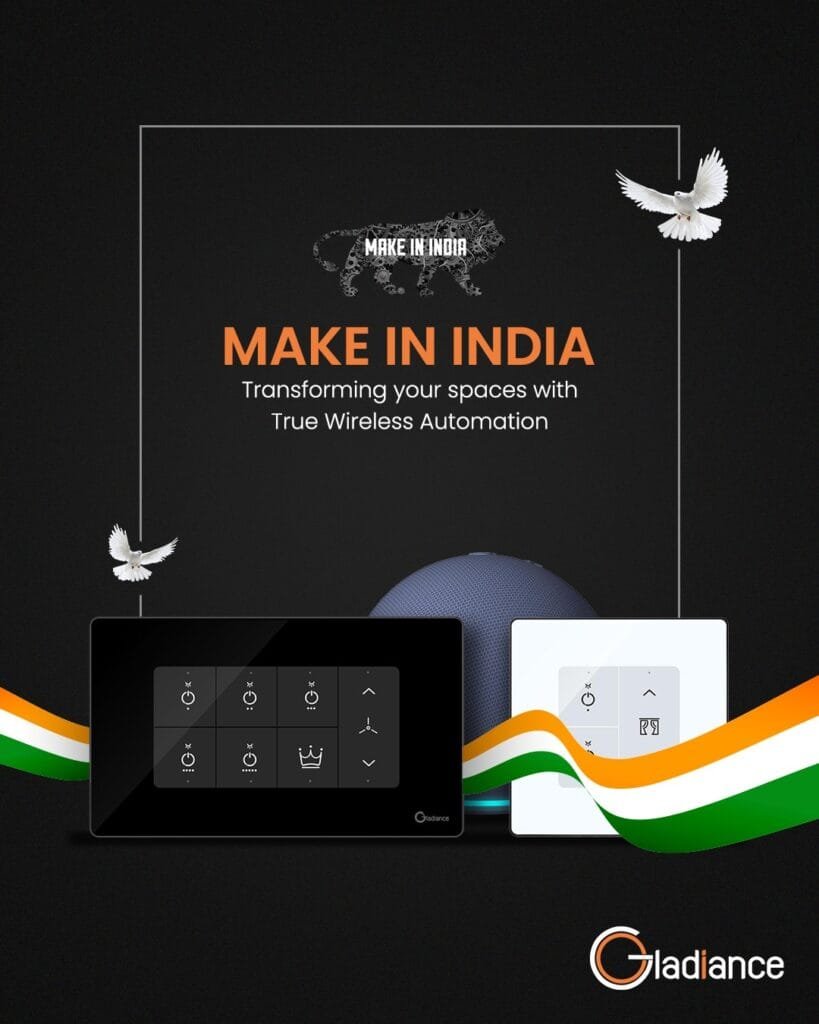
For decades, smart home automation sat in the same bucket as a modular kitchen upgrade or imported marble flooring, something a buyer paid extra for after the fact if they wanted it. That model is breaking down fast. Across India’s metro and tier 2 real estate markets, developers are starting to treat smart home automation the way they treat plumbing or electrical wiring, as a default specification built into the project rather than an optional upgrade.
The Indian smart home market is growing rapidly as buyers increasingly look for homes that offer convenience, security, energy efficiency, and connected living. As buyer expectations evolve, developers who integrate automation into their projects are gaining a competitive advantage.
For builders, this shift is not just a design trend. It is a measurable business decision. Here’s the ROI case for moving smart home automation from an optional upgrade to a standard feature.
Why Buyers No Longer See Smart Home Automation as Optional
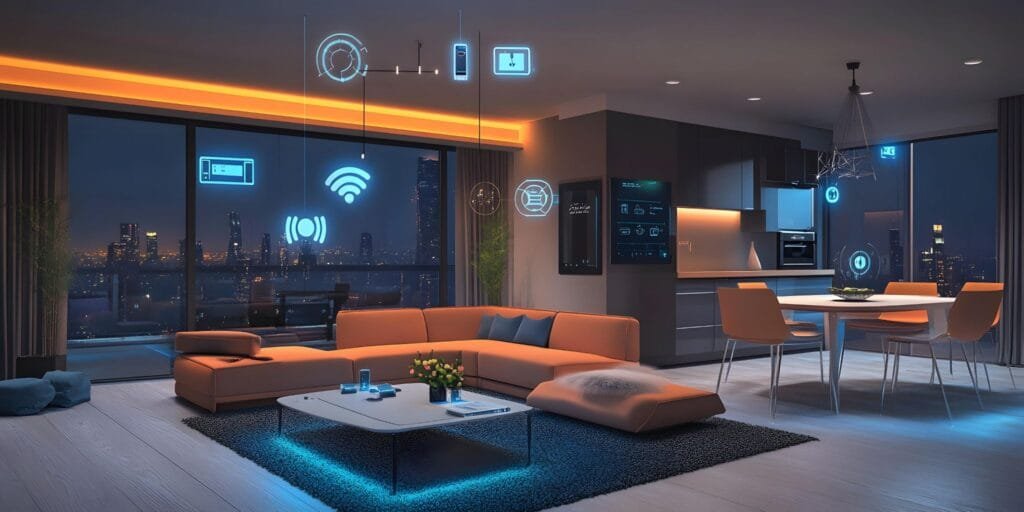
Buyer expectations have moved faster than most sales brochures. In premium housing, a large majority of luxury home buyers in India now consider smart home automation a must have rather than a nice to have, alongside energy efficient features that reduce running costs throughout the life of the home.
This trend is no longer limited to luxury villas. Mid segment housing is following the same path. Automated lighting, smart switches, centralized control, voice enabled devices, and smart security solutions are increasingly becoming part of standard offerings as developers compete to differentiate similar projects.
For builders, the implication is simple. If smart home automation is becoming an expectation rather than a luxury feature, the question is no longer whether to offer it. The real question is whether to provide a professionally planned automation system during construction or allow homeowners to install inconsistent third party systems after possession.
The Direct ROI: Higher Property Value and Better Rental Returns

This is where the business case becomes clear.
Industry studies suggest that homes equipped with smart technology often command higher resale values and stronger rental demand, particularly in rapidly growing urban markets where buyers are already accustomed to connected experiences at work and expect the same convenience at home.
The reasons are straightforward.
- Stronger resale appeal. Smart enabled homes immediately appear more modern and future ready, making them stand out during property comparisons.
- Higher rental value. Working professionals and families are often willing to pay a premium for homes that include automated lighting, climate control, app based access, and smart security because these features improve comfort while reducing additional setup costs.
- Reduced negotiation. When every home in a project includes smart home automation as a standard feature, buyers are less likely to negotiate over individual upgrades because the value is already built into the offering.
The Sales and Marketing ROI
Beyond financial returns, smart home automation creates significant value during the sales process. A project that confidently states “Every Home Comes Smart Enabled” presents a much stronger value proposition than one asking buyers to purchase automation separately after booking.
This advantage becomes especially valuable throughout the sales journey.
1. Site Visits and Sample Flats
A live smart home demonstration leaves a lasting impression. Buyers can experience automated lighting, voice control, and mobile app functionality firsthand. Seeing these features in action creates excitement and helps buyers visualize modern living.
2. Brochures and Digital Marketing
Smart home automation has become an important differentiator for premium residential projects. Including automation as a standard specification strengthens digital advertisements, brochures, project websites, and sales presentations while helping projects stand apart in a competitive market.
3. Word of Mouth
Homeowners enjoy sharing technology that improves their everyday lives. Features such as app controlled lighting, voice commands, and automated scenes become talking points with family and friends, generating valuable referrals and strengthening the developer’s reputation.
The Cost Side: Why Standard Installation Beats Retrofitting
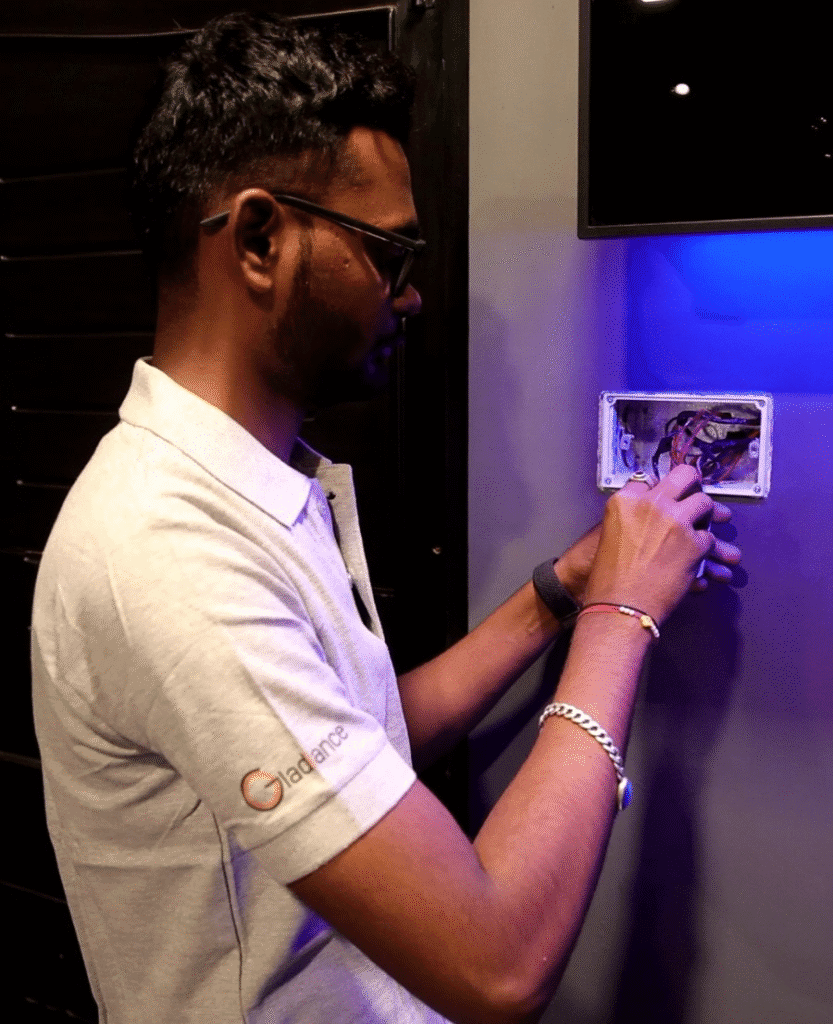
One of the biggest concerns builders raise is cost. However, the real comparison is not automation versus no automation. It is automation installed during construction versus automation added after handover.
Planning automation during the construction phase allows wiring, switchboards, controllers, and electrical layouts to be integrated efficiently with the overall project design. This approach significantly reduces installation complexity and overall costs.
Retrofitting automation after possession is far more expensive. It often requires additional labour, modifications to finished interiors, and disruption for homeowners.
By planning smart home automation from the beginning, builders benefit from lower installation costs per unit while homeowners receive a professionally integrated system from day one.
What a Standard Smart Home Automation Package Should Include
Not every residential project requires a premium automation package. A practical standard offering can deliver significant value while keeping costs under control.
A typical package may include:
- Smart lighting control with scheduling
- Smart switches with mobile app and voice control
- Basic security integration such as smart lock readiness or video door phone compatibility
- Scene control for everyday activities
- Energy efficient automation that helps reduce unnecessary power consumption
This creates a strong baseline experience for every homeowner while allowing premium upgrades such as advanced climate control, entertainment integration, and enhanced security for buyers seeking additional features.
Why Early Planning Creates Better Projects
Automation delivers its greatest value when it becomes part of the project’s design rather than an afterthought.
Architects, consultants, electrical planners, and developers who collaborate during the planning stage can create cleaner installations, better user experiences, and more scalable automation systems.
Early planning also simplifies project execution because electrical layouts, panel placements, and automation requirements are considered together instead of requiring expensive modifications later.
For developers managing multiple units, this results in greater consistency, improved quality control, and easier maintenance.
How Gladiance Helps Builders Make This Shift
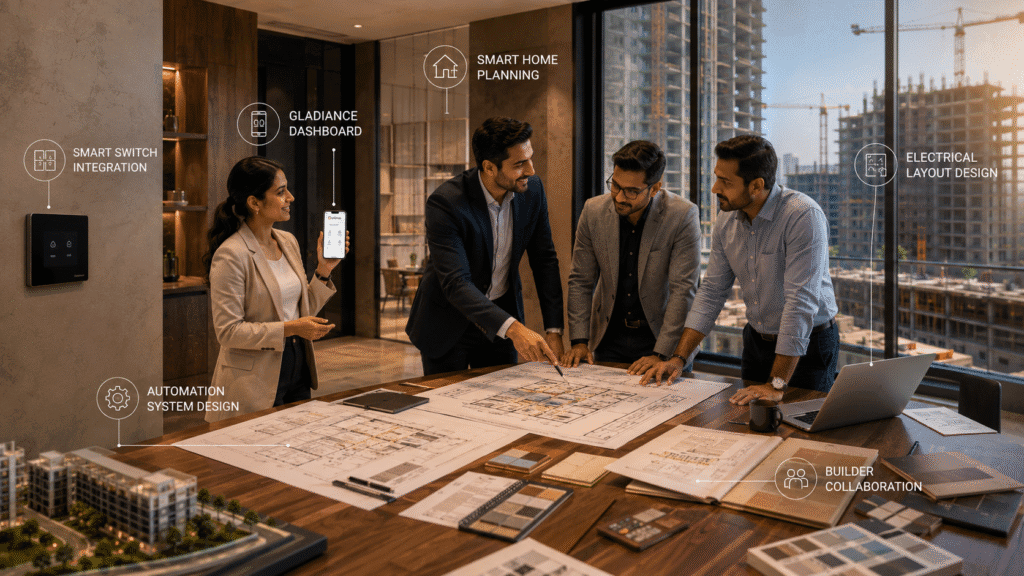
Gladiance works closely with developers, architects, consultants, and builders to integrate smart home automation during the design phase instead of after construction is complete.
This approach provides several advantages.
- Electrical layouts and automation planning are completed together from the beginning.
- Standard automation packages can be customised according to the project’s positioning and target buyers.
- Developers can offer premium automation upgrades without disrupting construction timelines.
- Gladiance offers both Designer Solutions for customised projects and Instant Solutions for faster deployment across multiple residential units.
By making automation a planned part of every project, builders can improve buyer satisfaction while increasing long term project value.
Frequently Asked Questions
Is smart home automation worth it for residential builders?
Yes. Smart home automation improves project differentiation, enhances buyer appeal, and can contribute to stronger resale value, rental demand, and faster sales.
Does offering automation increase property value?
Many buyers view smart enabled homes as modern, convenient, and future ready. This often makes properties more attractive in competitive markets and can positively influence resale value.
Is it better to install automation during construction?
Yes. Installing automation during construction is more efficient, less expensive, and results in cleaner integration compared to retrofitting after homeowners move in.
Conclusion
Smart home automation is no longer a luxury reserved for premium homes. It is becoming an expected feature across residential developments in India.
Builders who embrace this shift today are not simply adding technology. They are creating projects that are more attractive to buyers, easier to market, better positioned for future demand, and more valuable over the long term.
Offering smart home automation as a standard feature is not just an investment in technology. It is an investment in stronger sales, happier customers, and future ready developments.
Ready to Make Smart Home Automation a Standard Feature in Your Next Project?
Partner with Gladiance to integrate smart home automation from the design stage and deliver modern, connected living experiences that today’s buyers expect.
Connect with our team at +91 9422554302 to discuss the right automation solution for your next residential project.